Keeping up appearances
Isophorone for paints and permanence
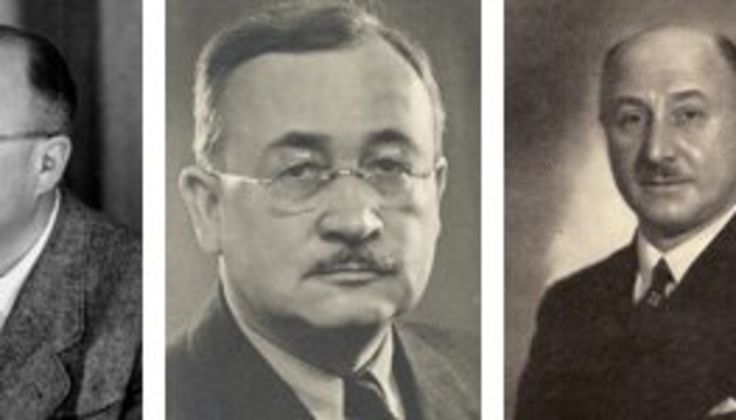
Production of the solvent isophorone started in 1962 in the Hibernia AG nitrogen works, which later became the Herne II factory. The development of the new solvent resulted from the search for ways in which to dispose of or recycle acetone, which was a waste product of phenol synthesis by the Hock method. This synthesis process had been developed by the German chemist Heinrich Hock in 1944.
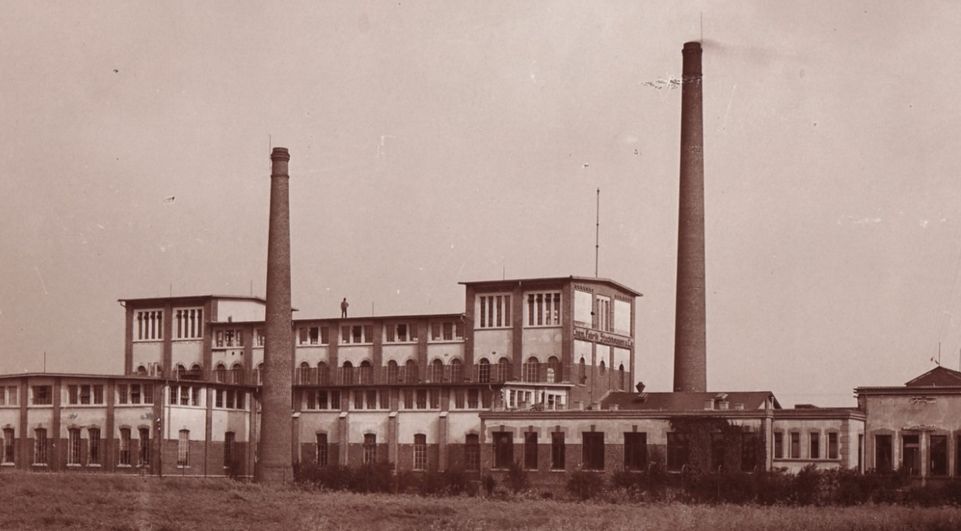
In 1967 isophorone production was carried out in what is today the Degussa Herne factory, which was previously the Hibernia factory Herne I. Putting the first production plant into operation in 1967 signaled the start of acetone chemistry in Herne which was intended to position the site for the future and which still provides it with security today. Just one year later, manufacturing of the first Isophorone derivatives such as isophorone nitrile and isophorone diamine also began. When the Chemistry branch of Hibernia AG was transferred to Hüls in 1979, Hüls AG came into possession of the isophorone product family. Since 1992 isophorone and its product variants are also manufactured in Mobile, Alabama.
|
Isophorone is an extremely versatile material that is used in many different areas. In the construction industry, for example, it is used as corrosion protection on bridges, scaffolding or sluices. It is used in wood preservatives and to seal floors. As this kind of sealant allows very thorough cleaning, isophorone is used particularly in food-related businesses and in hospitals. It improves flow in paints and varnishes and makes them shinier. It is added to automobile paint and paint used on domestic appliances.
It is so efficient as a hardener that it is even used in space travel. Again in the automobile industry, it improves the properties of fuel and oil filters as a special coating for paper.
Isophorone is in the remit of the Degussa Coatings & Colorants Business Unit, which has headquarters in Marl and Parsippany in the USA. |
|
Further information: