ContactPrintSitemapSearchde | en

Nobel prizewinner for chemistry

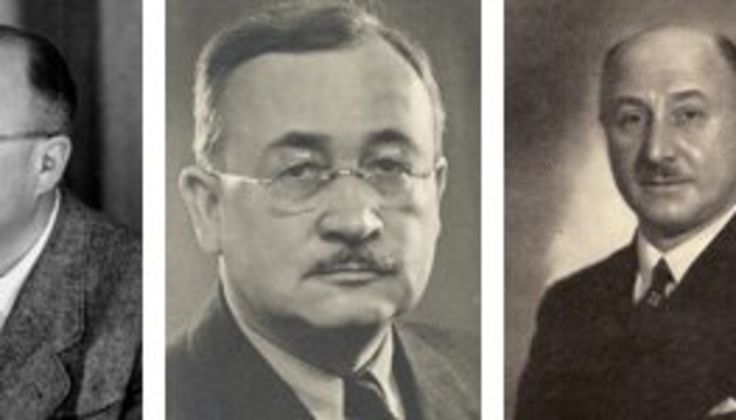
Friedrich Bergius

Chemist

Research director; from 1916 to 1918 executive board member of Th. Goldschmidt AG, which in 1999 became part of the SKW Trostberg Group.


* 1884, Goldschmieden near Deutsch-Lissa (Silesia)
† 1949, Buenos Aires


The meteoric career of one of the greatest German chemists of the 20th century began in 1903 when he studied at Breslau. After gaining his doctorate in Leipzig in 1907, Friedrich Bergius undertook numerous study trips including Berlin, Hannover and Karlsruhe, where he met Fritz Haber coming up with the subject for his post-doctoral thesis: "The application of high pressures in chemical processes and reproduction of the formation process of coal".

In 1912 this topic showed some foresight, since Bergius believed that in its practical application he had found a way of "liquefying" Germany's abundant coal reserves under high pressure, thereby converting it into gasoline. He had correctly assessed the implications of the incipient mechanization of automobile traffic and aviation; nevertheless this was of no help to the young private lecturer in Hannover until his pioneering process could be implemented through costly practical tests.

It was against this background that Bergius came to the attention of Karl Goldschmidt, also a mechanization enthusiast and a firm believer that the future belonged to gasoline. After some negotiation, Bergius came to Goldschmidt in Essen, where he became research director in a new, purpose-built laboratory; in 1917 he was even appointed deputy member of Goldschmidt AG’s executive board.

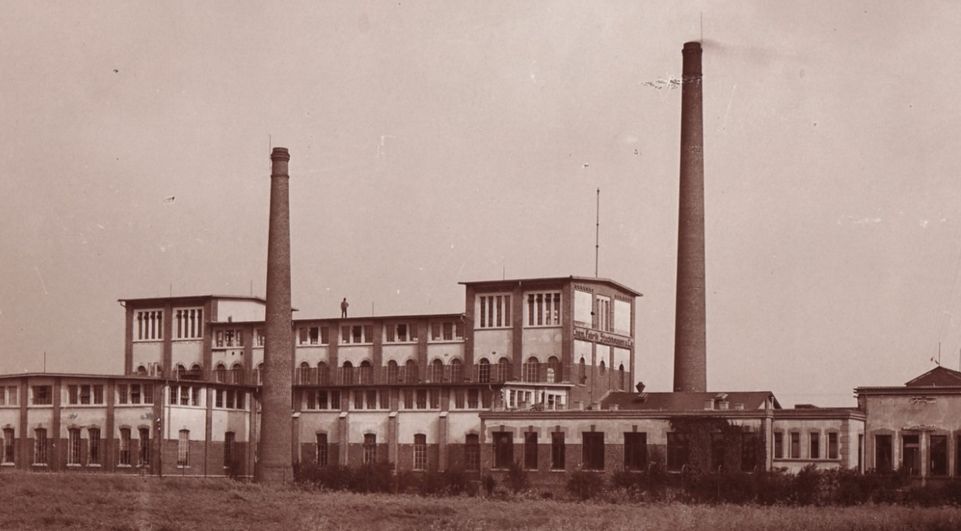
Owing to the pressure from the First World War in 1916, large-scale efforts began at the Mannheim-Rheinau Works to bring coal hydrogenation quickly up to production standard. However attempts to put this stage directly into application without lengthy laboratory work, failed. Bergius not only needed around 5 million Goldmarks for his trials but also the confidence of his patron Karl Goldschmidt, with the result that their working relationship finally ended in 1919.

However Goldschmidt later benefited greatly from the research initiated by Bergius into ethylene chemistry, as the researcher was awarded the Nobel prize for chemistry in 1931 for his pioneering idea. Commercial application of coal hydrogenation was only achieved in the 1930s by the financially powerful I.G. Farben Group that profited from massive coal gasoline subsidies from the National Socialist government.

Todays Degussa

Find out more about todays Degussa on www.degussa.com

research-educate-maintain

The Degussa Foundation continues the tradition of its predecessor foundations.

Innovations

To find out how Degussa strives to turn good ideas into solutions click here.